How a Font Like Realteam Can Upgrade Your Small Business Branding
Last week, I was updating the product labels for my candle line. The old ones felt a bit disjointed—the logo was handwritten, but the scent descriptions were typed in a standard font from my computer. It looked okay, but it didn't feel *cohesive*. It didn’t feel like a brand someone would remember. I needed something that bridged the gap between charmingly handmade and professionally polished. That’s when I started testing Realteam, a script font that completely changed my approach.
The Charm and Character of the Realteam Font
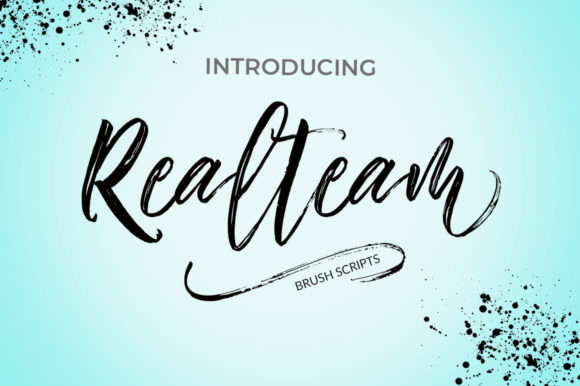
Realteam is a classy, charming brush script font. As a Script Amp style, it carries that essential handwritten warmth—the kind that feels personal and inviting. The strokes have a natural flow, with a touch of bounce that feels energetic yet refined. It doesn’t scream with exaggerated swirls; instead, it whispers with a confident, friendly personality.
What truly sets Realteam apart for practical business use is its array of small letter alternative characters. This means you can choose different versions of the same letter to fit your needs. If you’re writing your brand name, you might pick an ‘a’ with a more elegant tail for your logo, and a simpler ‘a’ for longer text on a menu to ensure readability. This flexibility is a designer’s dream, but it’s also a huge win for business owners who aren’t designers. It lets you create variation and visual interest without needing to master complicated design software. The font feels authentic because it was written by hand, capturing that human touch that customers so often respond to.
Putting Realteam to Work on Real Business Materials
I tested Realteam across a range of items a small business actually uses. First, on my new candle jar labels. Using Realteam for the product name—"Spiced Cedar"—immediately gave it a premium, artisanal feel. It looked crafted, not just manufactured. For the supporting text like "Net Weight," I paired it with a simple, clean sans serif font. The combination was perfect: the script added personality and became the focal point, while the sans serif ensured all the important details were crystal clear.
This principle applies everywhere. Imagine a bakery using Realteam for the name on its box of "Lemon Lavender Shortbread." The script evokes care and tradition. A boutique could use it for the tags on its handmade linen dresses, making each tag feel like a personal note. A café refreshing its menu could deploy Realteam for the section headers—"Pastries & Breads," "Fresh Salads"—to add visual rhythm and charm without sacrificing legibility in the list of items below.
In digital spaces, Realteam shines as a display font for headlines. An online shop’s banner announcing a "Summer Collection Launch" gains immediate warmth and energy. Instagram story templates promoting a "Flash Sale" feel more engaging and less generic. Because it’s a digital font file, it works seamlessly across your website graphics, social media posts, and even digital ad creatives, creating that crucial visual consistency that builds brand recognition over time.
Where Realteam Works Best (And Some Readability Tips)
Realteam is ideal for headlines, short phrases, logos, packaging titles, and decorative accents. It’s a display font meant to capture attention and set a mood. I wouldn’t recommend using it for long paragraphs of body text, like a full blog post or dense legal disclaimer on a label. For those elements, always pair it with a highly readable serif or sans serif font.
Readability is key on small formats. On a product label, make sure your Realteam text is large enough so the beautiful details aren’t lost. On mobile screens, use it sparingly for key words, as script fonts can become fuzzy at very small sizes. For social media thumbnails or product mockups, a bold, clear line of Realteam text can be incredibly effective. The rule of thumb: let it be the star for your most important message, and support it with simpler typography for everything else.
Building a Trustworthy and Consistent Brand Identity
Typography is one of the fastest ways to shape a customer’s first impression. A cohesive font system makes your business look intentional, professional, and trustworthy. When your packaging, your menu, your website, and your thank-you notes all speak with the same visual voice, customers begin to recognize you instantly. They feel a sense of reliability.
Realteam can be that anchor for your brand’s voice. Its handwritten quality feels customer-friendly and approachable, breaking down the cold, corporate barrier. Yet its classy execution prevents it from looking messy or unprofessional. It sits perfectly in that sweet spot many small businesses aim for: professional yet personal, polished yet warm. Using it consistently across touchpoints turns random graphics into a coherent brand identity.
Simple Font Pairing and Practical Considerations
Realteam pairs beautifully with straightforward, neutral fonts. A geometric sans serif like Montserrat or a classic serif like Garamond creates a balanced, sophisticated look. The script provides the personality; the paired font provides the structure. You can even use a second, simpler handwritten font for secondary accents, but often, one script as the hero is enough.
Before using any font like Realteam on commercial products, always check the licensing. Ensure it includes the commercial use you need—for physical products, packaging, and digital sales. Verify the file formats (like OTF or TTF) work with your software. Explore the alternates and ligatures; they’re fun tools to make your design unique. Check for multilingual support if your market requires it. These practical steps ensure your beautiful new branding is built on a solid, legal foundation.
My candle labels are printed now. The difference is tangible. The brand feels unified, memorable, and elevated. It wasn’t a massive overhaul, but a strategic upgrade using a thoughtful tool. For any small business owner, maker, or creator looking to bridge that gap between handmade charm and professional polish, a font like Realteam isn’t just a design asset. It’s a partner in building a brand that customers will notice, trust, and remember.