Discover Pillow: A Charming Handwritten Font for Creative Projects
As I opened a new brand board for a local café, I knew I needed something special to capture the cozy, inviting atmosphere. Enter Pillow, a fun and friendly handwritten font that immediately caught my eye. This typeface is not just a font; it's a design statement that can turn any project into a standout.
The Visual Charm of Pillow
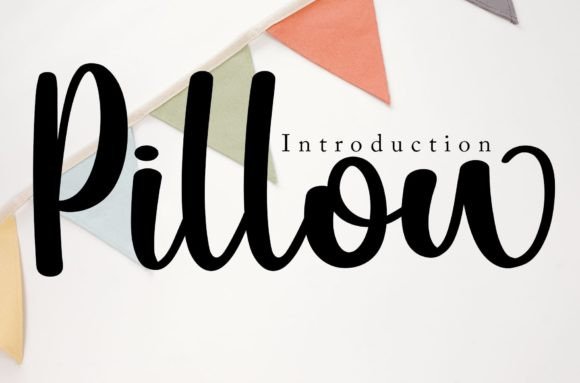
Pillow exudes a warm, personal touch with its flowing, slightly irregular strokes. The characters are playful yet refined, making it perfect for adding a human element to your designs. Its unique charm lies in its ability to feel both casual and elegant, striking a balance that many handwritten fonts struggle to achieve.
Testing Pillow in Branding Elements
I started by testing Pillow on a logo concept for the café. The font’s natural, hand-drawn quality added a touch of authenticity and personality to the design. It worked beautifully as a headline font, drawing the eye and setting the tone for the brand. For a more polished look, I paired Pillow with a clean sans serif font, which complemented its organic feel without overpowering it.
Next, I moved on to the packaging mockup. The font’s readability at larger sizes made it ideal for product labels and packaging. The unique style of Pillow gave the packaging a distinct, memorable look, making it stand out on the shelf. However, I noticed that at smaller sizes, the font’s intricacies could become a bit challenging to read, so it’s best used for headlines and short phrases.
Web and Social Media Integration
For the café’s website, I used Pillow in the hero section, where it added a welcoming, approachable vibe. The font’s legibility at larger sizes made it perfect for this prominent placement. In social media graphics, Pillow shone as an accent font, adding a creative and engaging element to posts. Whether it was a quote, a special announcement, or a simple caption, Pillow brought a touch of whimsy and warmth.
Practical Considerations and Best Practices
While Pillow is a versatile and charming font, it’s important to consider its limitations. For instance, it may not be the best choice for long body text or formal corporate documents due to its handwritten nature. Instead, use it as a display or accent font to add a personal, creative touch to your designs.
When testing Pillow in your projects, pay attention to how it looks at different sizes and in various contexts. Experiment with different weights and styles if available, and consider pairing it with a complementary serif or sans serif font to create a balanced and cohesive look.
Lastly, always check the commercial licensing terms before using Pillow in client work, especially for branding, packaging, and digital products. Ensuring you have the right permissions will save you from potential legal issues and allow you to use this lovely font with confidence.
In summary, Pillow is a delightful addition to any designer’s toolkit. Its unique charm and versatility make it a great choice for creating standout designs that feel both personal and professional. Whether you’re working on a café identity, a skincare brand, or a creative studio, Pillow can help you bring your vision to life with a touch of whimsy and warmth.